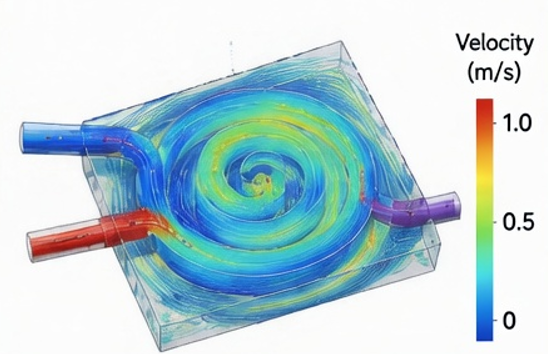
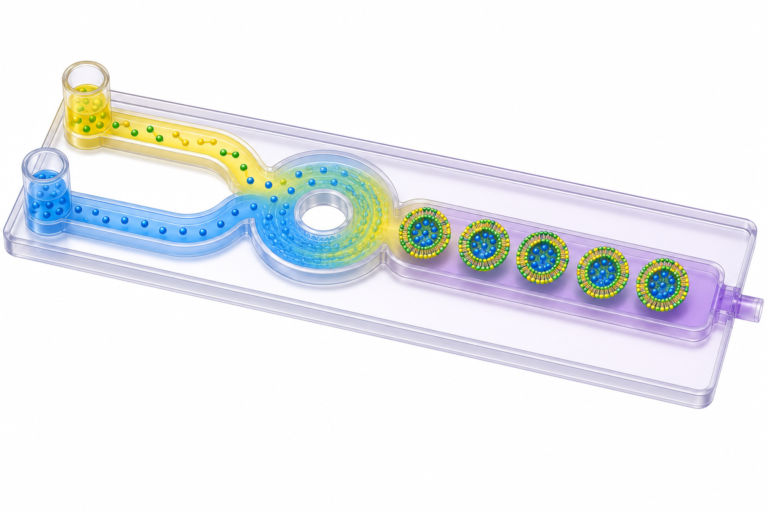
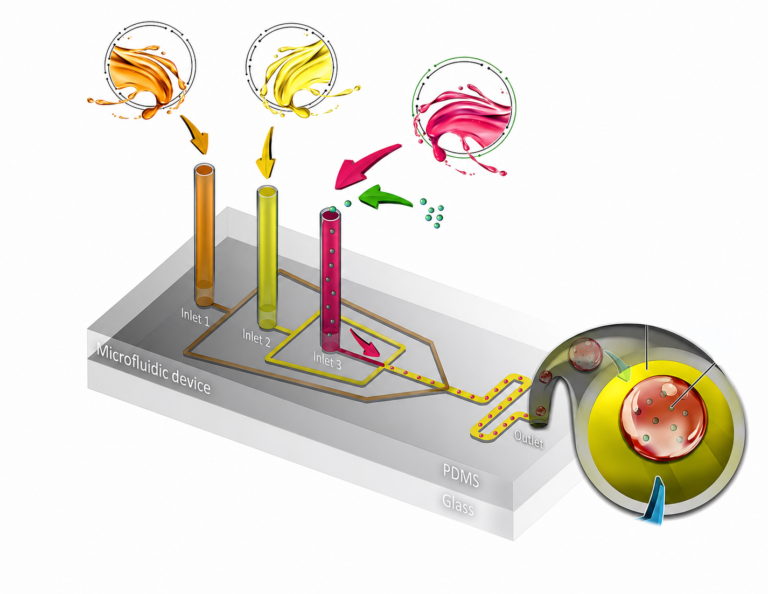
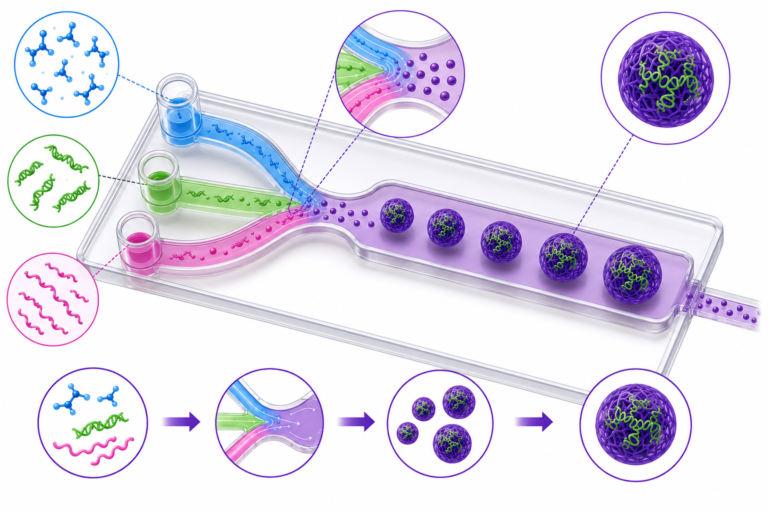
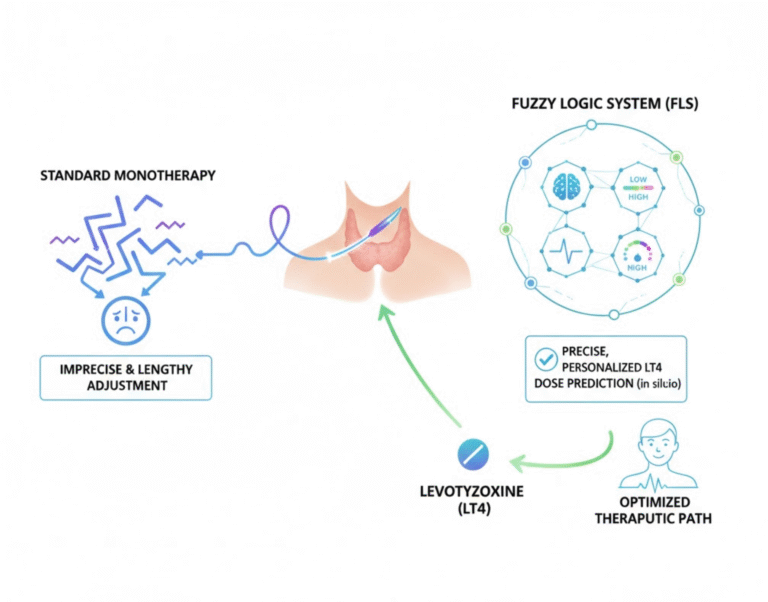
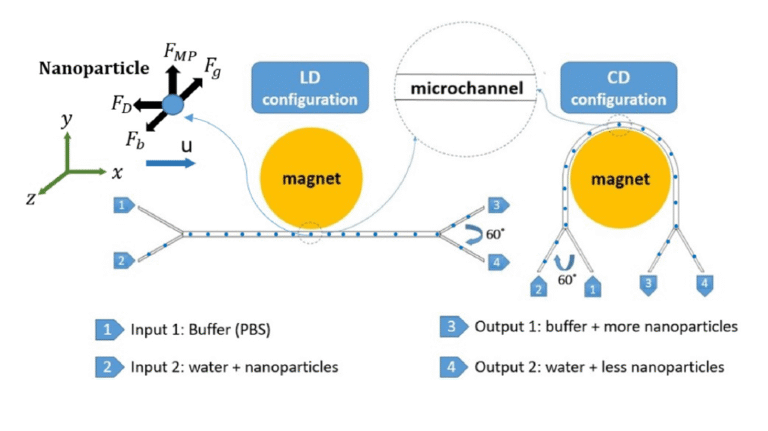
The “in silico Research Unit” is INVITROVO’s foundational Computational Validation Hub, utilizing advanced modeling, simulation, and data-driven prediction tools. This essential phase translates research concepts into virtual realities, allowing us to perform exhaustive digital testing and optimization. We use sophisticated techniques like 3D modeling, molecular docking, and Finite Element Analysis (FEA) to predict how biomaterials, drugs, and delivery systems will interact with cells and tissues. By working closely with wet-lab scientists, we dramatically reduce the need for physical trial-and-error and ensure that smarter science starts with powerful simulations.
Aim
The strategic aim is to maximize the efficiency, predictability, and ultimate success rate of BioMed research activities.
To Predict and De-Risk: To significantly reduce costly, resource-intensive wet-lab testing by optimizing designs and forecasting the efficacy and safety of novel therapeutics virtually.
To Uncover Deep Mechanisms: To use sophisticated modeling to gain mechanistic insights into complex interactions that are often invisible in traditional lab settings.
To Integrate Intelligence: To seamlessly blend computational insights with experimental data, supporting decision-making and refinement throughout the entire project lifecycle.
Scope
The scope of the “in silico Research Unit” provides comprehensive end-to-end computational support for research through the following core activities:
Multi-Scale Modeling: Applying computational techniques to simulate biological processes across various scales (molecular to organ level).
Advanced Simulation Techniques: Using tools like FEA and computational fluid dynamics for precise material and system behavior prediction.
Rigorous Statistical Validation: Ensuring all experimental designs and results are statistically sound and reproducible.
Custom AI/Machine Learning: Developing tailored algorithms for tasks like pattern recognition, data classification, and predictive modeling based on large biomedical datasets.
Pre-Lab Optimization: Using simulations to refine project variables and de-risk experiments before physical execution.
Post-Lab Analysis: Providing advanced data analysis, dynamic visualization, and predictive analytics to interpret and suggest next steps after physical testing is complete.
Meet the Experts
Dr. Farid Ghadyani
D.D.S.
farid.ghadyani@invitrovo.com
Pouya Jozesoleimani
Graduate Student in Computer Science, Data Mining
pouya.jozesoleimani@invitrovo.com
Soroush Mehralizadeh
Graduate Student in Chemical/Biomedical Engineering
soroush.mehralizadeh@invitrovo.com
Offered Services
02 in silico
• Experimental design
• Statistical analysis
• Validation programing
• and more